We buy more online than ever before, but our brains are still wired for something physical: touch. The softness of a hoodie, the weight of a tote bag, the smoothness of a bottle finish, these sensory details shape how we judge quality.
The challenge for merch creators is simple. Online shoppers can’t feel your products. Yet they still need to imagine what they feel like.
That’s where the psychology of touch comes in. By describing texture, weight and fabric experience clearly, you help customers build a sensory picture in their mind. When they can “feel” your merch through words and visuals, they’re far more likely to buy.
Touch is the sense of trust
In physical retail, touch is a major decision-maker. Most people pick up a product before they ever decide to purchase it. They squeeze the fabric. They test the weight. They check the softness.
This instinct doesn’t disappear online. Instead, the brain searches for clues, words, images, and descriptions to replace the missing sense of touch.
When you give shoppers those clues, you build trust faster.
When you don’t, uncertainty grows, and uncertainty kills conversions.
1. Describe texture in sensory language
Words can trigger physical imagination. The more descriptive your language, the more real your merch feels. Instead of generic lines like:
“Soft hoodie”
try:
“Smooth, brushed cotton that feels warm the moment you put it on”
Some high-performing texture words include:
-
Smooth
-
Silky
-
Brushed
-
Textured
-
Matte
-
Crisp
-
Cloud-like
-
Warm-touch
-
Structured
These aren’t just adjectives. They’re sensory anchors.
2. Communicate weight with purpose
Weight suggests quality. People want tote bags that feel sturdy, hoodies that feel cosy and bottles that feel substantial.
You can communicate this with phrases like:
-
“A heavier-weight tee that keeps its shape after every wash”
-
“A structured tote that stands upright without collapsing”
-
“A solid, insulated bottle with a premium, weighty feel”
These small details instantly upgrade perceived value.
3. Use visuals that imply touch
Photos and videos can communicate texture more than people realise. Try including:
-
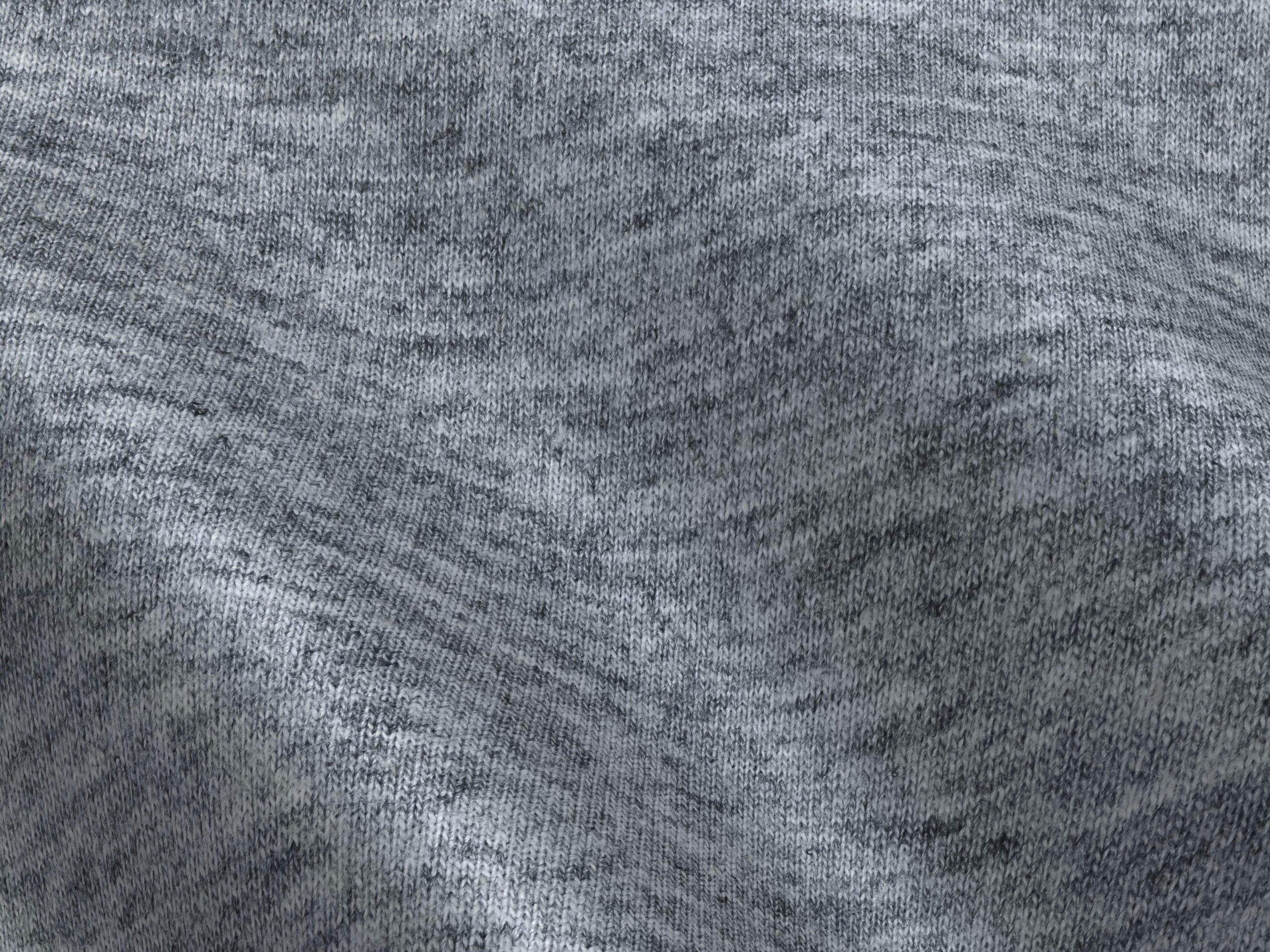
Close-up shots of fabric weave
-
Fingers gently pulling or stretching the material
-
A slow fold or drape of a hoodie sleeve
-
A hand gripping the curve of a bottle
-
A tote bag resting naturally with a visible structure
These visual cues replicate the instinct to touch.
4. Add lifestyle context
Touch is also emotional. The feel of merch influences how people imagine using it in their daily lives. Pair sensory descriptions with real-world context to make the experience vivid.
For example:
-
“Soft enough to wear all day, even on long travel days”
-
“The kind of crisp cotton that feels fresh right out of the laundry”
-
“A matte bottle finish that feels secure even when your hands are cold”
The more relatable the scenario, the stronger the connection.
5. Let customers describe it for you
Your buyers are your best sensory storytellers. Encourage reviews that reference feel, fit and weight. Then highlight them.
Examples customers might already be saying:
-
“This tote is thicker than I expected, in a good way”
-
“The hoodie is unbelievably soft inside”
-
“The bottle has a nice grip and feels premium”
Real words from real people make the tactile experience believable.
6. Make texture part of your brand identity
The most successful merch brands don’t just describe touch, they own it.
Whether your vibe is cosy, luxe, rugged, sporty, or minimal, your sensory language and product choices should reflect that. Over time, customers start to associate your brand with a specific tactile experience, even if they’ve never held your products before.
Final thoughts: touch is still the key to conversion
In a screen-based world, touch hasn’t disappeared. It’s simply become psychological instead of physical.
The more effectively you help your audience “feel” your merch through descriptions, photography and storytelling, the more confident they’ll be in buying it.
When words and visuals work together to replace the tactile experience, your product stops being just another item online.
It becomes something customers can imagine in their hands, and that imagined moment is often what leads to the sale.