Great merch brands don’t simply post products.
They build a universe.
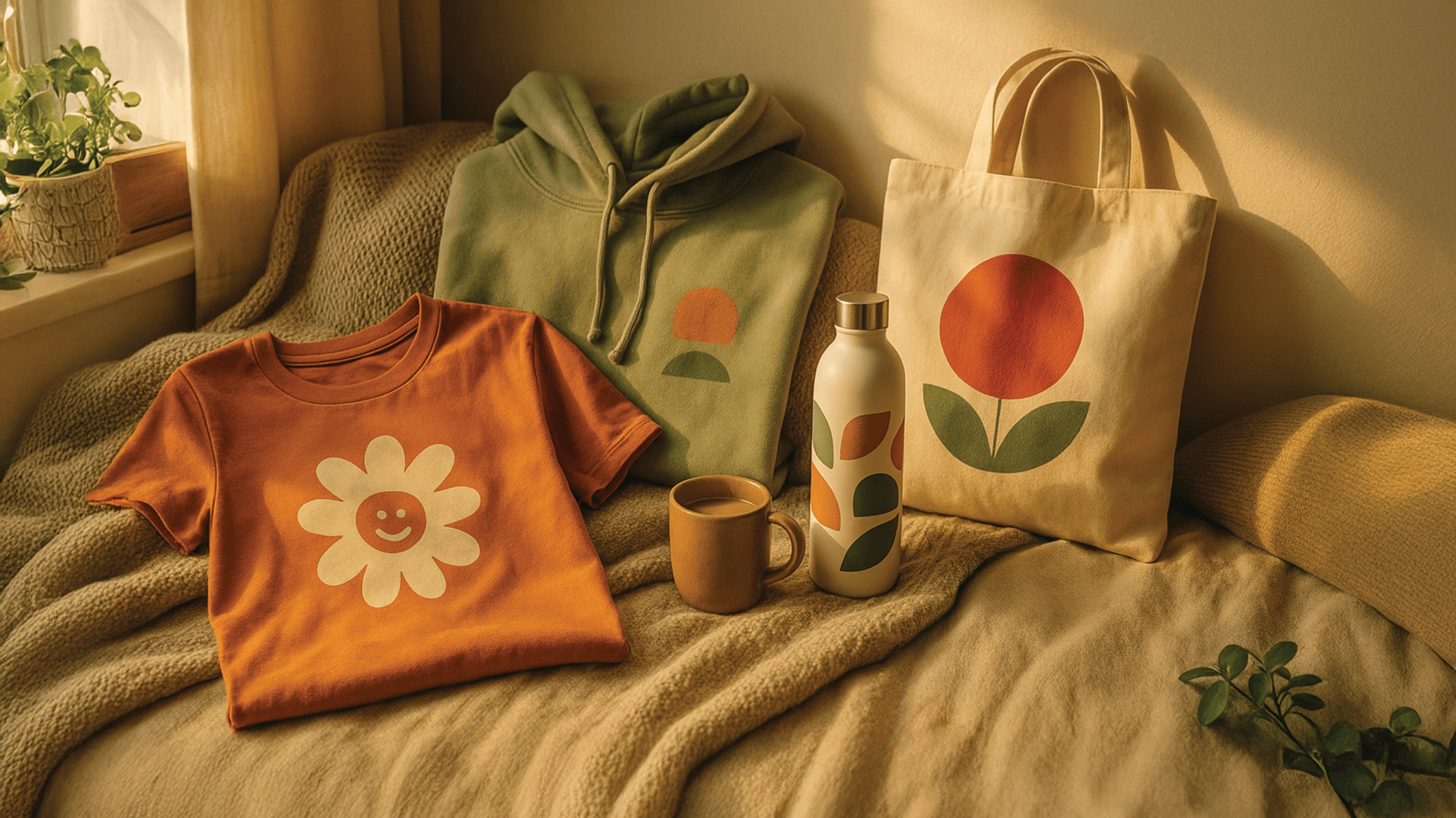
A universe made of colours, textures, moods and moments.
A universe where every post feels like a chapter in a story.
A universe that makes people want to step inside, not just scroll past.
This is the power of visual storytelling.
It transforms your feed from a catalogue into a living, breathing brand experience. When done right, your audience won’t just remember what you sell. They’ll remember how you made them feel.
Why visual storytelling matters
Humans understand the world through stories.
And on social media, stories aren’t told with paragraphs; they’re told visually.
Your feed communicates meaning through:
-
Colours
-
Lighting
-
Composition
-
Props
-
Environments
-
Faces
-
Emotions
-
Repetition
When these elements stay consistent, your brand develops a recognisable identity.
People don’t just see a hoodie or tote bag; they see a piece of your world.
And when a brand feels like a world, everything in it feels more valuable.
1. Define the world you’re trying to build
Before you design a single post, ask yourself:
What does my brand’s world look like?
Is it warm and cosy?
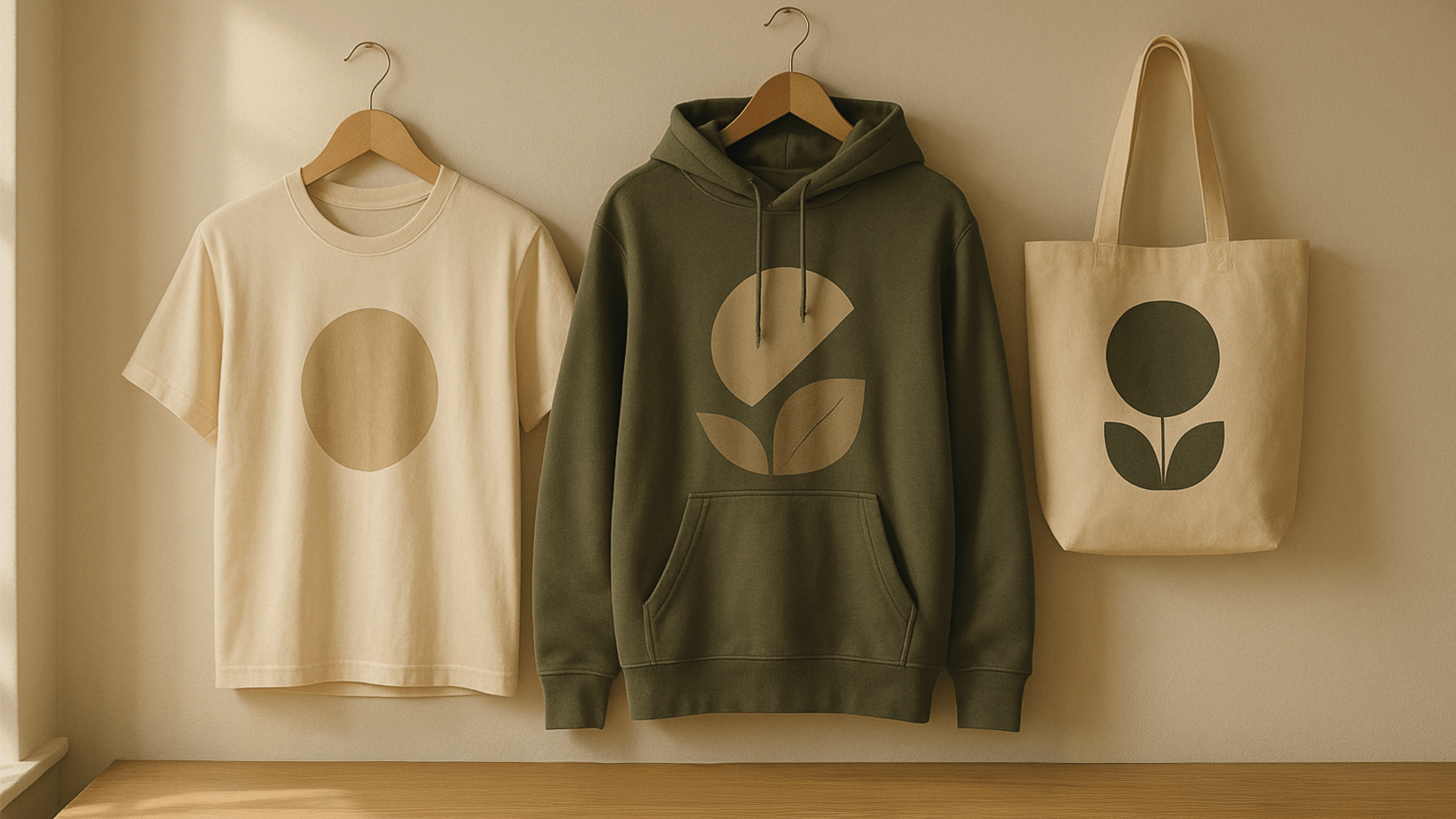
Minimal and clean?
Bold and energetic?
Dreamy and nostalgic?
Nature-led and earthy?
Artistic and colourful?
Your visual world becomes the “setting” for your merch story.
Everything you post should serve that setting.
2. Use colour as emotional language
Colour is the quickest way to create a narrative thread across your feed.
When viewers see consistent tones, their brains connect the posts automatically.
Choose:
-
2–3 signature colours that appear often
-
A consistent base tone (warm, cool or neutral)
-
Background colours that support your products instead of fighting them
This creates a cinematic mood, as if your feed were frames from the same film.
3. Think in scenes, not posts
Instead of planning single photos, plan moments.
For example:
-
A morning coffee scene featuring your bottle on a table
-
A creative workspace scene with your t-shirt draped over a chair
-
A walk-through-the-city moment showing your hoodie in motion
-
A cosy night-in shot featuring your tote resting by a sofa
Scenes feel lived-in.
They tell stories without needing words.
When viewers see these moments together, they intuitively understand who your brand is for.
4. Introduce recurring visual motifs
Motifs make your world feel connected.
They can be:
-
A specific prop (a coffee mug, sketchbook, plant, pair of headphones)
-
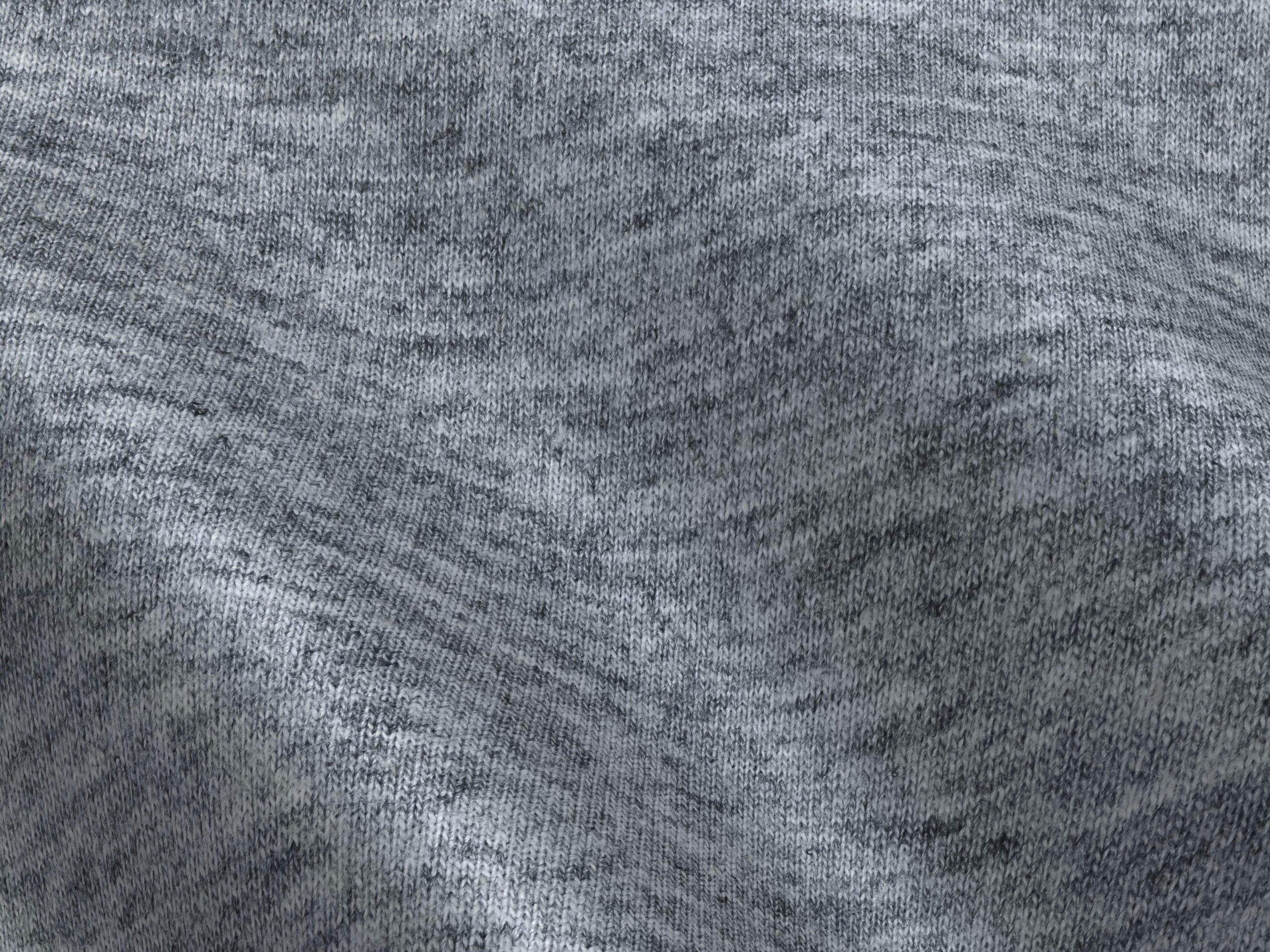
A certain texture (linen, concrete, wood grain)
-
A repeating angle or composition
-
A particular hand gesture or movement
-
A signature lighting style
These motifs act like visual “phrases” that the viewer learns to recognise.
They build memory and consistency without feeling repetitive.
5. Show your merch in different narrative roles
Your products don’t always have to be the main character.
Sometimes they can play a supporting role in a wider moment.
Try mixing:
-
Hero shots (product takes centre stage)
-
Lifestyle shots (product integrated into a day-in-the-life moment)
-
Atmospheric shots (a vibe or setting your brand owns)
-
Detail shots (texture, stitching, colour close-ups)
-
Behind-the-scenes (design, process, story)
This variety keeps your narrative rich but coherent.
6. Keep the emotional tone consistent
Tone is what turns a series of images into a story.
If your world is cosy, keep the lighting warm and soft.
If your world is energetic, use movement and contrast.
If your world is calm, use muted colours and clean lines.
Emotion ties everything together.
Ask yourself:
What should someone feel when they scroll through my feed?
Then design every post to reinforce that feeling.
7. Use captions as the voice of your world
Your visuals are the scenes.
Your captions are the narration.
They can:
-
Add context
-
Enhance emotion
-
Introduce meaning
-
Invite people into the story
Even short captions can deepen the narrative:
-
“Shot on a morning that felt like a reset.”
-
“Inspired by small moments that stick with you.”
-
“Part of the world we’re building together.”
When visuals and words align, your world feels intentional.
8. Treat your feed like a moodboard, not a catalogue
Catalogues show products.
Moodboards show vision.
Every post should feel like it belongs on a brand inspiration board.
That’s what makes your brand feel elevated, cohesive and immersive.
The more your feed feels like a moodboard, the more aspirational your products become, and the more your audience wants to step into that world.
Final thoughts: build the world, and your audience will join it
Visual storytelling is not about selling.
It’s about inviting.
You invite people into the aesthetic, emotions and values behind your brand.
You help them imagine your merch in their own life.
You create a narrative that evolves as they follow along.
When your feed feels like a world, your merch stops being just products.
It becomes part of a lifestyle people want to belong to.
And that is the kind of storytelling that turns browsers into believers.