People rarely buy merch because they need it.
They buy it because it makes them feel something.
A sense of belonging.
A moment of joy.
A spark of nostalgia.
A connection to a creator or idea they care about.
In a digital world where attention is scarce and choices are endless, emotion has become the most powerful differentiator. When your merch evokes a positive feeling, it does more than stand out; it becomes meaningful.
Understanding the “feel-good factor” helps creators design products that convert better, build loyalty faster, and stay memorable long after the initial purchase.
The psychology behind positive emotion
Neurological studies show that positive emotions activate the brain’s reward system, releasing dopamine, the chemical behind motivation, memory, and satisfaction.
This matters because dopamine doesn’t just influence mood.
It influences behaviour.
When your merch triggers a positive emotional response, your customers are more likely to:
-
Slow their scroll
-
Click through to your store
-
Imagine themselves owning the product
-
Feel confident in buying
-
Share it with others
-
Come back for more
Emotional resonance is the bridge between seeing and buying.
1. Joy — the most powerful motivator
Joy is simple, universal, and incredibly effective.
Even a small moment of happiness can make your merch feel irresistible.
Design with joy by using:
-
Playful shapes or graphics
-
Bright but balanced colours
-
Lighthearted motifs
-
Designs inspired by fun moments or memories
Joy doesn’t require comedy or loudness.
It can be as simple as a warm colour palette or a gentle, uplifting visual.
2. Nostalgia – a shortcut to connection
Nostalgia is one of the strongest emotional triggers in marketing. It taps into memories, safety, comfort, and familiarity.
Nostalgic merch might include:
-
Retro illustrations
-
Vintage colour schemes
-
Minimal geometric forms reminiscent of old-school graphics
-
Designs inspired by childhood places or hobbies
When people recognise something from their past, they bond with it instantly, and that increases purchase intention.
3. Calm – the underrated aesthetic
As social feeds get louder, chaotic, and fast-paced, calming visuals have become surprisingly magnetic.
Calm-focused merch might use:
-
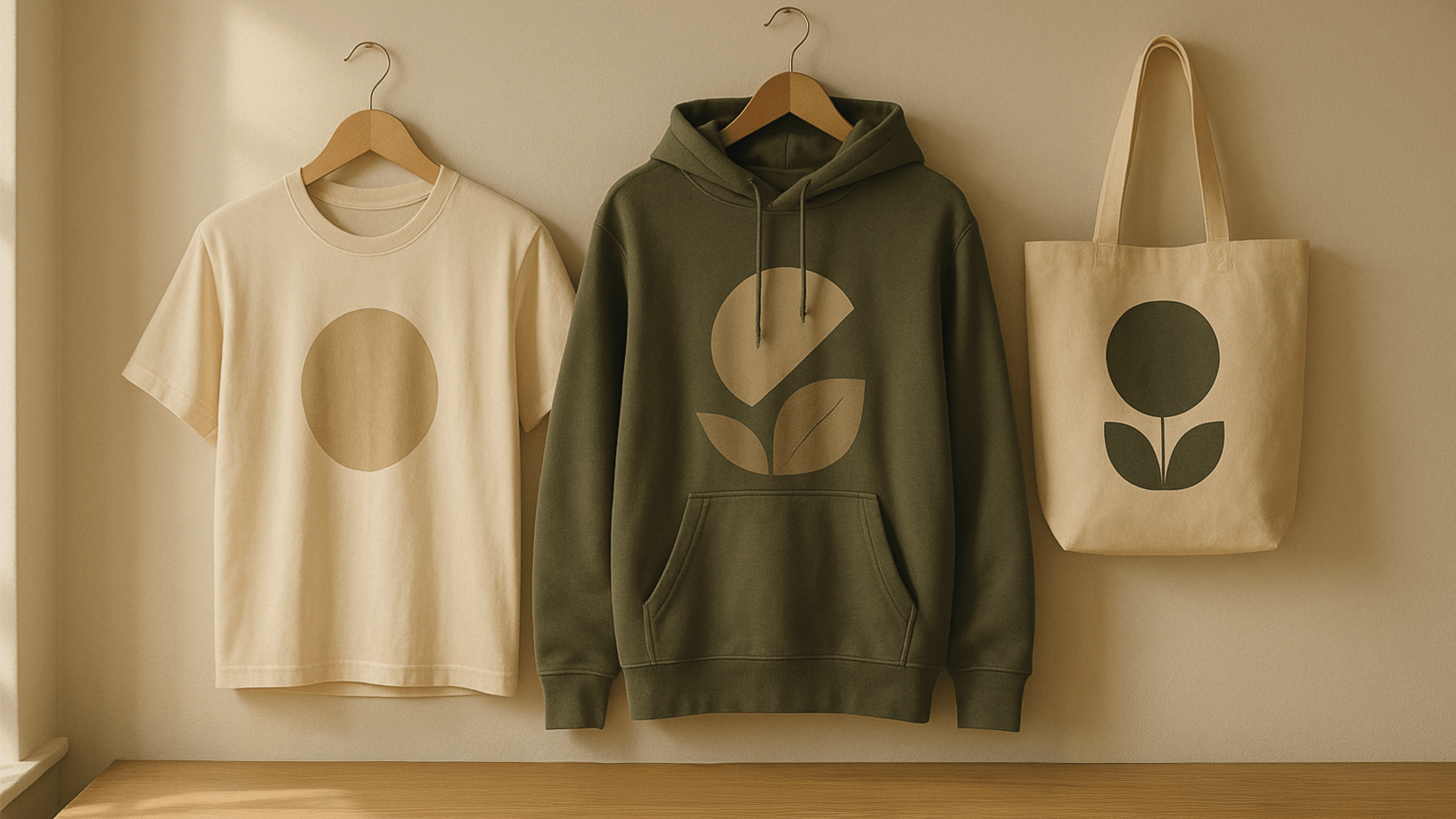
Soft, neutral tones
-
Clean lines and simple shapes
-
Nature-inspired motifs
-
Gentle gradients
-
Minimal clutter
Calm designs perform particularly well for wellness brands, lifestyle creators, and anyone aiming for a grounded, comforting vibe. They give people a sense of breathing space, and that matters.
4. Pride – the feeling that makes people wear your merch often
Pride is an incredibly strong feel-good emotion. When someone feels proud of what a piece represents, they wear it more, share it more, and speak about it more.
This works especially well when merch reflects:
-
A creator’s meaningful milestone
-
A positive lifestyle identity (creativity, growth, kindness, resilience)
-
Support for a community or cause
-
A personal accomplishment or aspiration
Pride turns merch from clothing into a statement.
5. Comfort – the emotion customers can “feel” through words
Even when people can’t physically touch your products, comfort still sells.
Words like “soft”, “warm”, “smooth”, “relaxed fit”, and “cosy” act as emotional cues that help customers imagine the experience.
Comfort-based merch works best when:
-
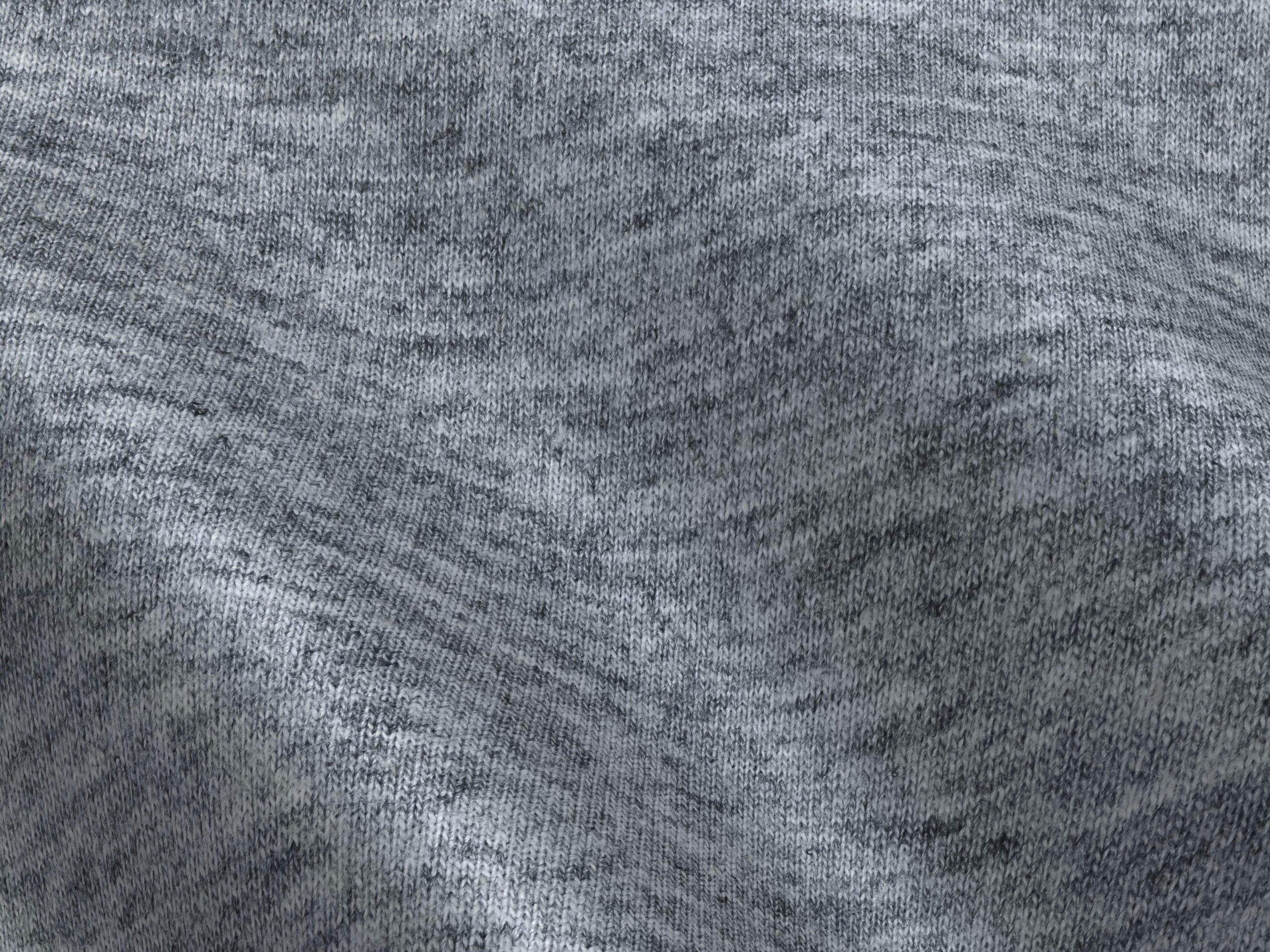
You describe fabric textures clearly
-
You show lifestyle imagery that looks warm or inviting
-
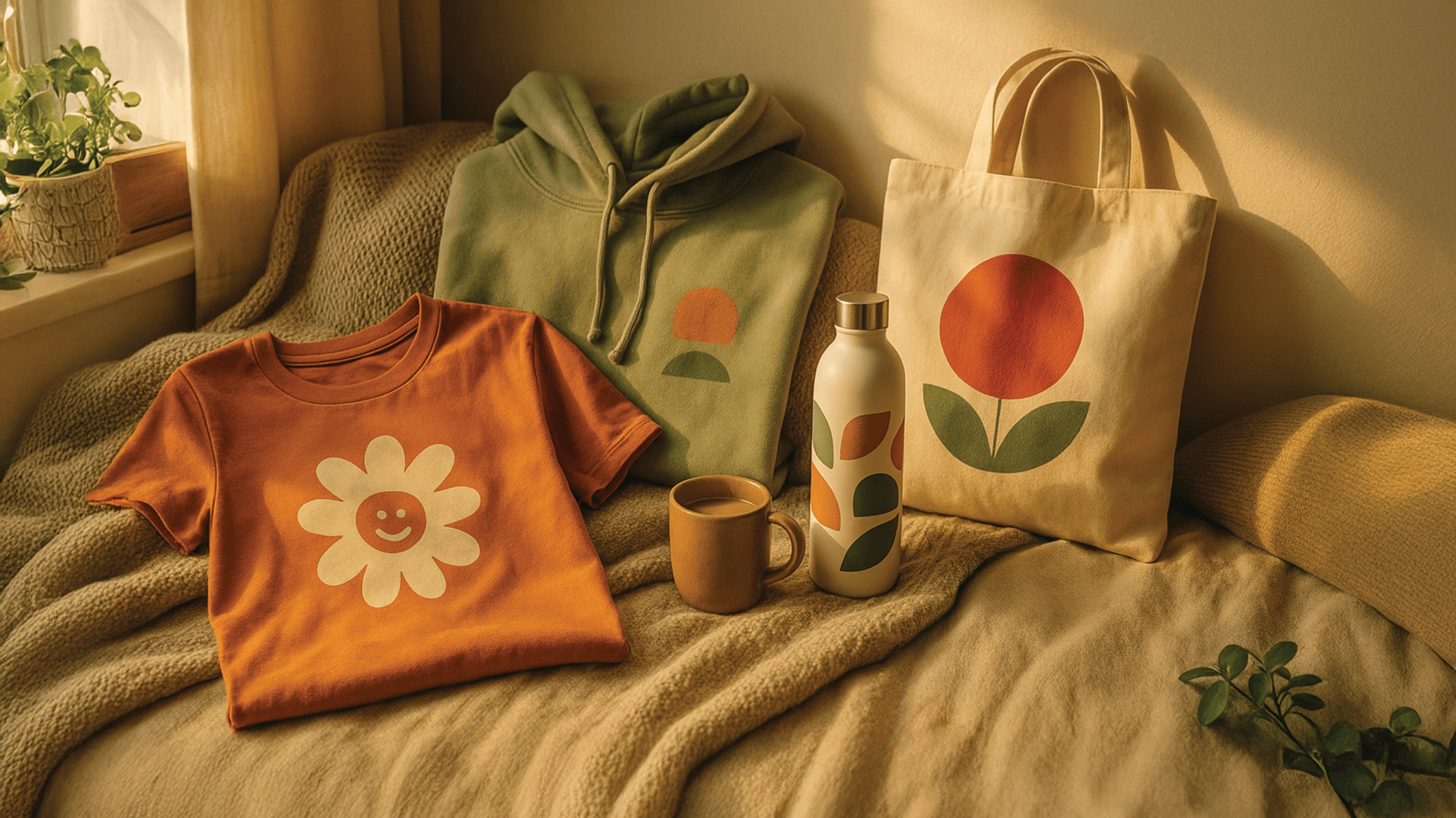
You position products within real, everyday comfort moments (coffee, reading, slow mornings)
Comfort itself becomes a brand promise.
How to design with emotion intentionally
Here are simple strategies to amplify emotional appeal in your merch:
1. Start with a feeling, not a graphic.
Ask: What should someone feel when they see this? Then design around that emotion.
2. Choose colours with meaning.
Warm colours feel joyful.
Neutrals feel calm.
Earth tones feel grounded.
Cool tones feel trustworthy.
3. Use photography that reinforces emotion.
Capture the merch in settings that match the feeling: cosy corners, sunny mornings, creative spaces, outdoor scenes.
4. Make captioning part of the emotional experience.
Even a single line like “made for slow Sundays” enhances the vibe.
5. Keep it authentic.
Emotion works only when it’s genuine. Create designs rooted in your interests, story, and aesthetic.
Final thoughts: feelings create fans
Merch that makes people feel good doesn’t just sell, it sticks.
It becomes part of daily routines, favourite outfits, and meaningful memories.
When creators understand the emotional undercurrent of their audience, they move beyond designing products and begin designing experiences.
Your merch doesn’t need to be the loudest or trendiest.
It just needs to make someone feel something real.