Most creators focus on the big launch moment. The hype. The countdown. The first 48 hours of sales.
But the brands that win long term think differently. They design merch that doesn’t just sell fast, it sells forever.
This is the long-tail merch strategy.
Instead of relying on trends that burn out quickly, it focuses on creating products that stay relevant for years, consistently generating passive sales without constant relaunches or reinvention.
It’s slow-burn success, and it’s one of the smartest business moves a creator or small brand can make.
What is the long-tail merch strategy?
The “long tail” refers to products with consistent, steady demand over a long period of time. They might not explode on day one, but they quietly generate reliable revenue month after month.
For merch creators, this means designing items that:
-
Age well
-
Don’t rely on fleeting trends
-
Feel timeless instead of topical
-
Appeal to a broad segment of your audience
-
Can sit in your shop and quietly convert long after launch day
Think of it as building a merch library rather than chasing the next viral hit.
Why long-tail merch matters
There are three major benefits that make this strategy powerful:
1. Predictable revenue
Trend-led drops spike fast but fade fast. Long-tail items create a steady foundation you can depend on, smoothing out the highs and lows of seasonal or trend-driven shopping habits.
2. Lower production and creative pressure
Instead of constantly designing new pieces to keep sales up, you can focus on a handful of evergreen designs that work. This frees time for better content, better marketing, and more meaningful creative work.
3. Increased customer trust
Products that stay in your shop long-term signal confidence and clarity. Buyers feel safer purchasing items that aren’t jumping in and out of stock or shifting with every trend cycle.
How to design merch that stays relevant for years
1. Prioritise timeless themes
Evergreen merch is built around ideas and aesthetics that don’t age quickly.
These often include:
-
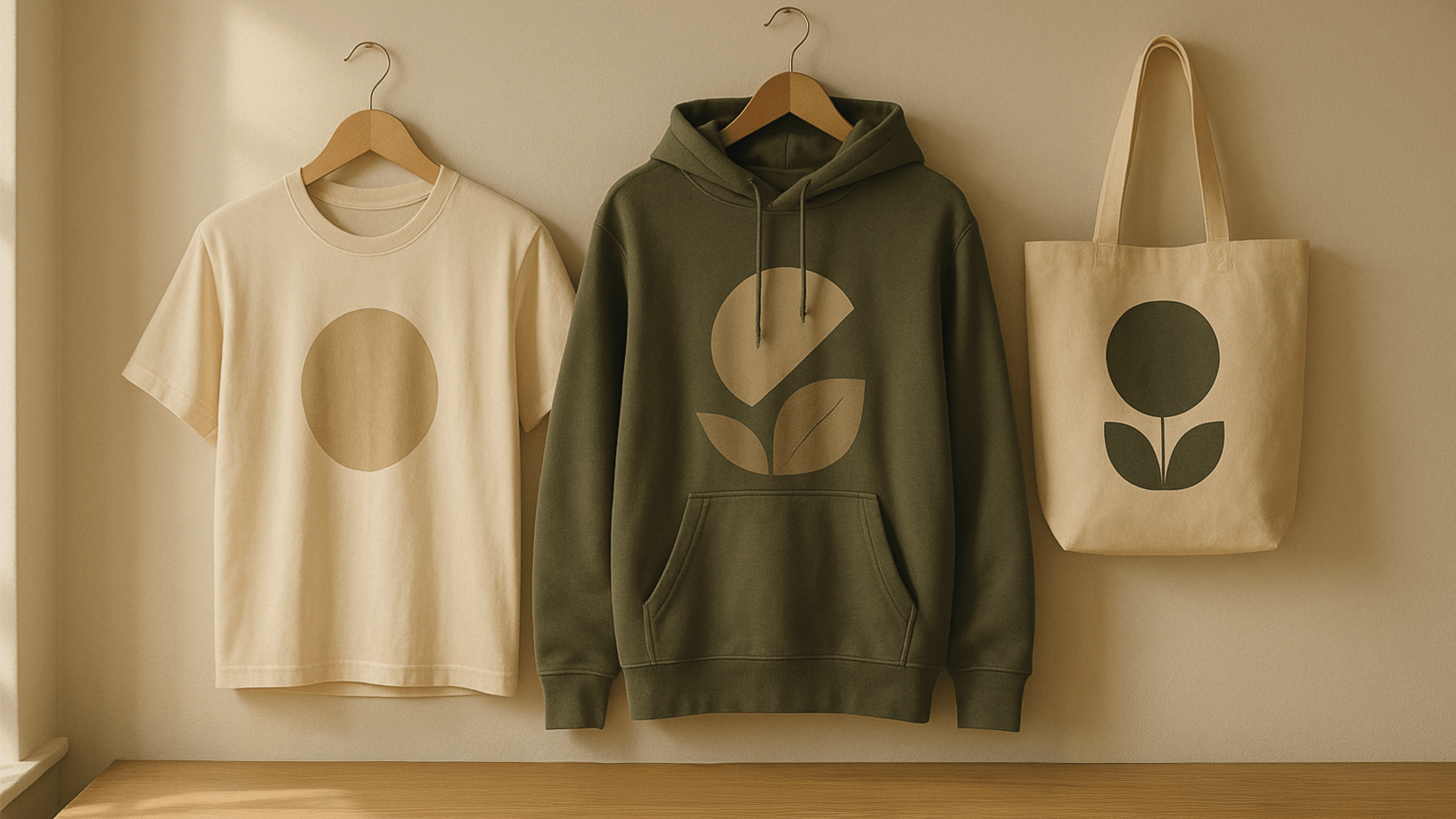
Minimalist shapes and symbols
-
Nature-inspired elements
-
Clean lines and geometric designs
-
Simple typography (or no text at all)
-
Emotional themes like growth, creativity or calm
The goal is to create something people will wear next year, not just next month.
2. Avoid overly trend-led design
Designs based on:
-
Viral memes
-
Short-lived catchphrases
-
Hyper-specific pop culture moments
…may sell quickly, but they also expire quickly.
Evergreen merch focuses on identity, not trends. It taps into who people are, not what the internet is laughing at this week.
3. Use a cohesive, signature style
When your audience recognises your work at a glance, your merch automatically feels more long-term.
A cohesive visual style acts like a visual signature. Examples include:
-
A specific colour palette
-
A recurring illustration style
-
A set of consistent shapes or motifs
-
A tone of simplicity and clarity
When your design language is consistent, customers start to trust that your products won’t go out of fashion.
4. Choose colours that stand the test of time
Neutral tones and earthy shades tend to last longer than neon or high-fashion palettes.
Blacks, whites, beiges, navy, forest green and muted tones stay stylish year after year.
This doesn’t mean you can’t use colour, it means choosing colours your audience can pair easily with anything in their wardrobe.
5. Focus on daily usefulness
Long-tail merch often succeeds because it fits seamlessly into everyday life.
Think:
-
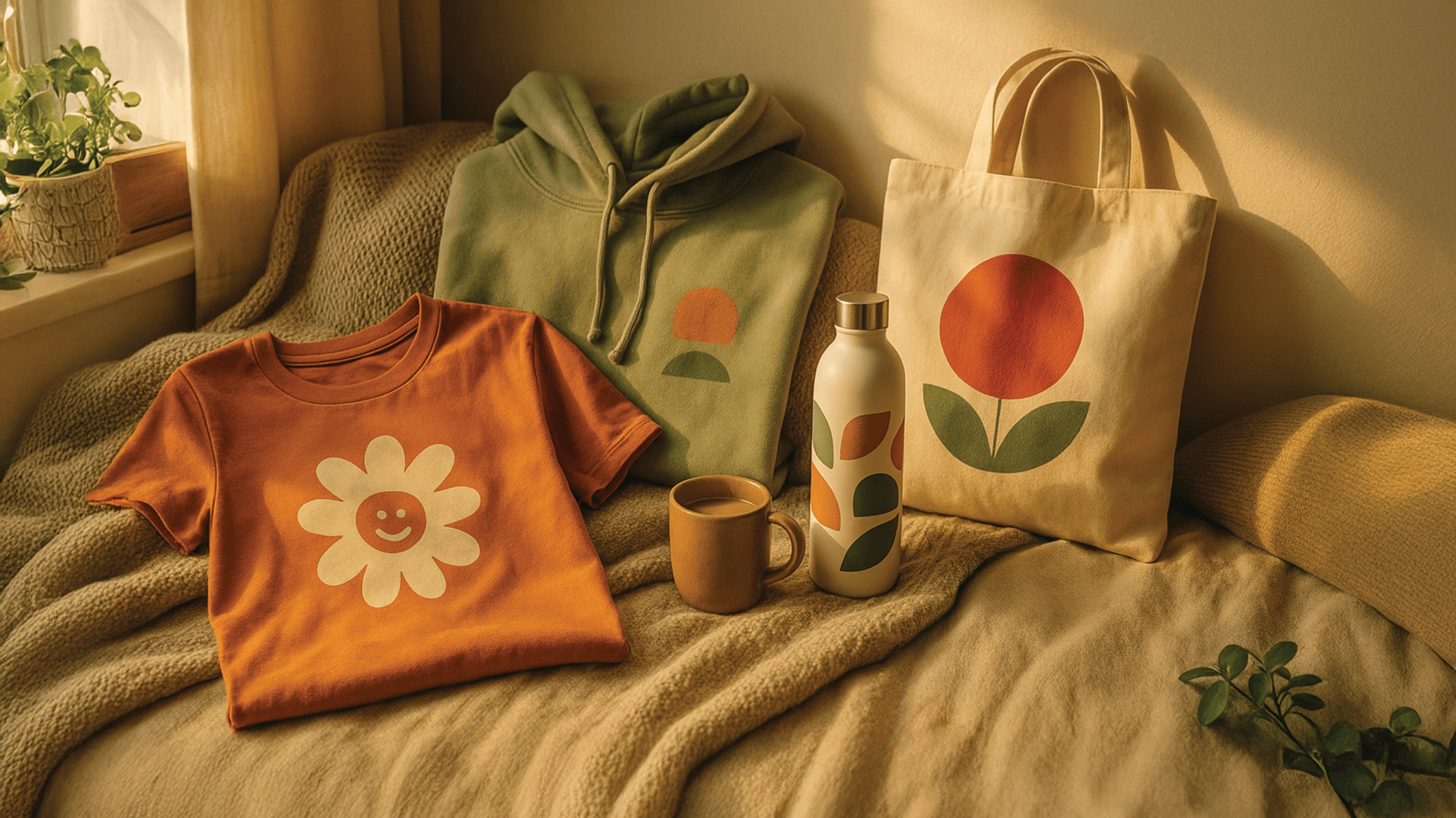
Tote bags people use daily
-
Water bottles with simple wrap-around patterns
-
Hoodies with clean, wearable designs
-
T-shirts that work with any outfit
The more practical a product is, the longer it remains relevant.
6. Test what converts and iterate slowly
You don’t need to guess what will be evergreen. Your data will show you.
Pay attention to:
-
Designs with steady but modest sales
-
Items customers reorder
-
Pieces frequently added to baskets but purchased later
These are clues that a design has long-term potential. Build on what already works.
7. Keep core merch consistent and build drops around it
Think of your shop in two layers:
-
Core evergreen merch that always stays in stock
-
Seasonal or experimental drops for creativity, hype and variety
The core items handle stability.
The drops keep your brand fresh.
Together, they create a healthy, long-term business model.
The long-tail mindset
Success in merch doesn’t just come from big moments. It comes from consistent moments.
It comes from products that feel just as relevant in year three as they did in week one.
When you design with longevity in mind, you build a merch line that works harder, lasts longer and earns more.
Evergreen merch isn’t about being safe.
It’s about being smart.
It’s about building something with staying power, something that grows with your audience.
Because the best merch isn’t the piece that trends fastest.
It’s the one people keep wearing for years.